Dr. Haley Overby’s most recent research experience was during her postdoctoral research fellow program in the Department of Medicine, Division of Cardiovascular Medicine at Vanderbilt University Medical Center in Dr. Jane Ferguson’s lab. The Ferguson lab broadly focuses on the genetics of cardiometabolic diseases, with a particular focus on functional genomics and clinical translation. Of interest is the interactions between genetic and environmental factors in disease development, and in the use of evoked phenotypes as a tool for genomic discovery. Dr. Overby had the privilege to focus on the holobiont relationship of the gut microbiome and host. She worked to probe this bi-directional relationship using human intestinal cell lines and clinical samples to determine the microbiome’s interactions with human health and disease, specifically as it relates to cardiometabolic diseases, such as obesity, diabetes, and cardiovascular diseases. She also worked on engineering a simple model to study the human-microbiome interactions (HMI) in a way any basic biology-based lab can utilize. Her time in the Ferguson lab began during the dawning of Covid-19. Despite this, she persevered and published a paper with Dr. Ferguson within the first 6 months. See this page for a list of Dr. Overby’s publications.
Previous to this, Dr. Overby completed her graduate study research at the University of Tennessee at Knoxville obtaining her Ph.D. in Cellular and Molecular Nutrition in the Zhao Lab. The research interests of the Zhao lab encompassed the cellular and molecular basis through which dietary components, pharmacological agents, or exposure to environmental toxins may impact the risk of obesity and obesity related metabolic diseases (i.e. metabolic syndrome, insulin resistance, type II diabetes, etc) using cell and animal models.
____
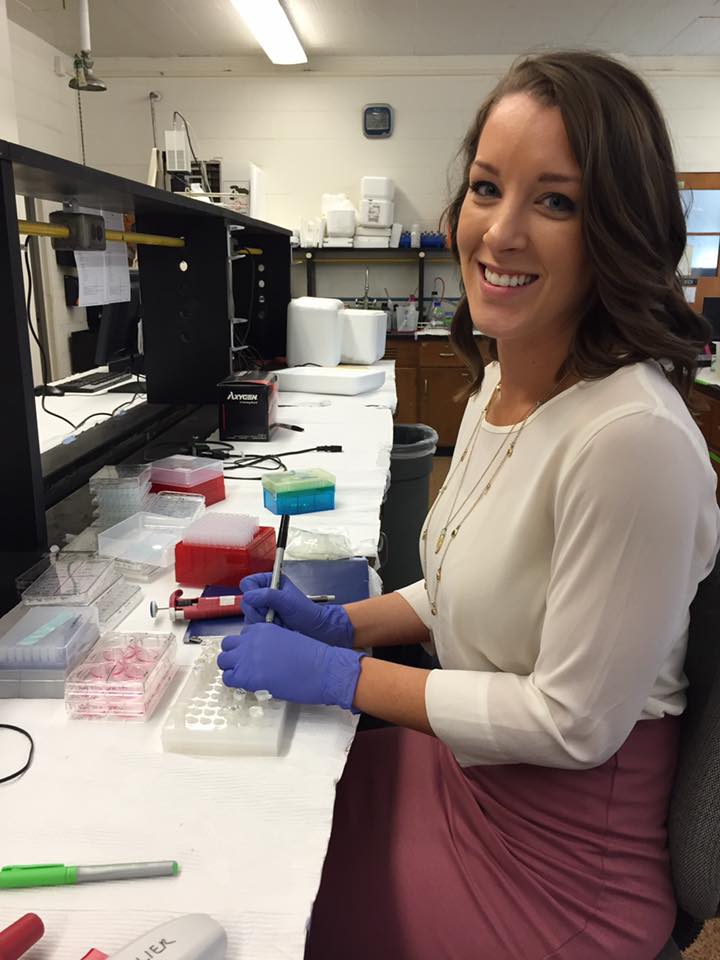
Picture taken by Joseph Perry for ‘Graduate Student Appreciation Day’ at UTK in 2016.
Research Overview
Dr. Overby participated in and lead multiple projects resulting in multiple publications. Among several projects she was involved in, the following list details some of these projects which have resulted in publications, presentations, and/or were included in Dr. Overby’s dissertation.
(I) The primary and R15-funded project she worked on involved the use of Resveratrol encapsulated nanoparticles to treat a murine adipocyte cell-line (3T3-L1), murine primary stromal cells, human primary subcutaneous stem cells, human brown cell-line, as well as in vivo work in C57-BL6J mice. (II) She also worked with non-steroidal anti-inflammatory drug (NSAID), Indomethacin, using similar cell models. Although these projects were the primary focus of her dissertation (entitled, “Exploring novel anti-obesity strategies: Nutritional and pharmacological interventions to induce browning and brown adipogenesis”), (III) Dr. Overby’s initial research inquiry involved work with parabens and their effect on fat, bone, and muscle differentiation. (IV) She also worked quite a bit with n-3 derived epoxides and soluble epoxide hydrolase (SEH) inhibitors and exploring their role in brown adipogenesis. (V) Finally, she gained human clinical study experience and worked to pioneer co-culturing conditions to assist in our understanding of the host-gut microbiota relationship.
____
(I) Nanoparticle Encapsulated Resveratrol
This multi-institutional collaborative project involved the use of biocompatible and biodegradable lipid-based nanoparticles encapsulated with trans-Resveratrol. There were two primary chapters to this project. In the first part of this project, nanoparticles were used to treat murine adipocyte cell-line (3T3-L1) to determine the mechanism of action (using reporter gene assays) as well as it’s ability to induce browning (measured with multiple brown, beige, and white adipocyte mRNA markers). Enhanced number and function of beige and brown adipocytes (browning and brown adipogenesis) is proposed to enhance energy expenditure, thus making it a promising intervention for obesity. This work has been published, Dr. Overby shares first authorship on this manuscript.(1)
The second portion of this project used a modified version of the nanoparticles from the first part; a peptide specific to murine adipose stromal cells was inserted on the surface of nanoparticles prior to treatment. In this portion, peptide-modified nanoparticles were used to treat the following models: pathway-transduced 3T3-L1 and control cells, freshly isolated murine primary stromal cells, as well as in vivo work in C57-BL6J mice (the latter was performed by collaborators at Texas Technical University). For cell-culture work, targeting and uptake capacity/efficiency as well as browning capacity were measured. This involved a mixture of florescence and confocal imaging and quantification, target-protein expression confirmation, reporter gene assays, as well as mRNA expression of target pathways. Interestingly, the results of this study determined that the targeting capacity of the nanoparticle augmented the browning effect of Resveratrol (when treated from start to finish of differentiation), allowing for the use of lower, physiologically relevant doses of Resveratrol. This portion has not yet been published, but may upon further experimentation.
____
(II) Indomethacin induces browning and brown adipogenesis
The second portion of Dr. Overby’s dissertation included a project which, along with her PI’s guidance and support, she solely contributed results and writing to. The NSAID, Indomethacin, was used to treat murine adipocyte cell-line (3T3-L1), human primary subcutaneous stem cells, and human brown pre-adipocyte cell-line. Browning capacity was measured via gene expression profiles and oxygen consumption assays, and mechanism of action was also confirmed. The results are intriguing to say the least; however, this manuscript has been accepted and is currently in progress to being published, so not too much can be revealed at this time. Previous work done by the Zhao lab determined enhanced brown adipogenesis in murine in vitro and in vivo models.(2)
___
(III) Parabens effect on differentiation
Due to the number of publications on the subject, the Zhao lab may be considered a leader in the field of parabens, a class of small molecules commonly used as preservatives in cosmetic and pharmaceutical products. Parabens are also known as “endocrine-disrupting compounds” (EDCs), which when applied and absorbed through the skin or consumed can alter normal functioning of the endocrine system and may have detrimental effects on one’s health. Dr. Overby was second author on two publications involving parabens. Previous publications by the Zhao lab have determined parabens to be a potent adipogenic factor (enhancing differentiation of lipid-laden white adipocytes), possibly contributing to the obesity epidemic observed worldwide.(3) Both of the following manuscripts described have been published.
Dr. Overby’s first publication concerning parabens described a complex interaction of multiple pathways and cellular compounds involving the endocannabinoid (EC) system in adipocyte differentiation. The primary result of this manuscript determined that paraben-mediated-adipogenesis among other possible pathways, occurs via a modulation of the EC system by inhibiting EC-enzyme, fatty acid amide hydrolase (FAAH), but not specifically through CB1 activation (a common pathway for FAAH inhibitors).(4)
Dr. Overby’s second publication on this topic determined the mechanism by which parabens could alter the fate of multi-potent mesenchymal stem cells (C3H-10T1/2) to the adipocyte lineage. The results of this publication demonstrate that butylparaben promoted adipogenic (fat) differentiation and suppressed osteogenic (bone) and chondrogenic (cartilage) differentiation via the PPAR-gamma and glucocorticoid receptor pathways.(5) Further experimentation was conducted to determine parabens found in breast milk indeed altered body composition of murine offspring (enhanced adipocyte differentiation and deformed bone formation).(6)
____
(IV) n-3 derived epoxides and SeH inhibitors and brown adipogenesis
Another project that Dr. Overby was heavily involved in concerned the involvement of n-3-derived epoxides and soluble-epoxide hydrolase (SeH) on brown adipogenesis. The models used for this project included human and murine brown pre-adipocyte cell lines, freshly isolated murine primary brown pre-adipocytes, and in vivo work in C57-BL6J mice. Enhanced brown adipogenesis was confirmed via gene expression profiles and oxygen consumption assays in multiple cell lines, and mechanism of action was also determined. This manuscript is also awaiting publication (in vivo work is currently being concluded and incorporated into the final version of MS), and therefore, results discussed here will be limited.
____
(V) The Host – Gut-Microbiome Relationship
The gut microbiome has emerged as both a driving factor and a therapeutic target for many diseases, including the leading causes of death in America: obesity, diabetes, cancer, and cardiovascular disease. Microbial interaction with host cells, including gut microbiota-derived metabolite-mediated signaling, is key to the holobiont relationship. With Dr. Ferguson, Dr. Overby published a literature review discussing the effects of microbe metabolite-mediated interplay in host health and disease.
Although many observational studies on this topic exist, many clinical microbiome studies remain descriptive, with limited translation from observations of compositional differences towards mechanistic insight. Mechanistic studies originating within animal and cell culture models can be highly variable and difficult to reproduce, which limit clinical translatability. In vitro systems using selected species of microbes provide mechanistic insight, but do not fully recapitulate the complexity of microbe-microbe interactions that make up the intestinal ecosystem. Currently, co-culturing live bacteria with murine or human cells in vitro, are limited to a few hours due to cytotoxicity to both cells and bacteria alike. In vitro simulation and organoid models have been generated; however, restrictions in downstream applications and treatment time remain. There is an urgent need for more refined in vitro models that allow for simple and rapid interrogation of complex human microbiomes and the holobiont relationship.
Dr. Overby’s project, therefore, aimed to develop an in vitro system for rapid bedside-to-bench translation of clinical microbiome research into mechanistic knowledge. The project sought to determine differences in microbiome composition and function based on subject demographics (sex, race, BMI) or on environment (dietary intervention) which could be re-capitulated in vitro. The project also aimed to determine whether the in vitro phenotypes of clinical microbiome extracts could provide mechanistic insight into the host:microbe relationship.
Aim 1: To develop an in vitro colonocyte:microbiota cell culture system. This aim was achieved by culturing commercially available colonocyte cell lines (Caco-2, HT29, T84) and differentiating them to promote membrane formation. These differentiated cells were then co-cultured with live microbiota derived from fresh human stool samples obtained from an ongoing clinical dietary intervention trial in the Ferguson Lab (N=80, 4 samples/person). Dr. Overby designed, tested, and created protocols to optimize isolation and long-term storage of live bacteria. These conditions were optimized to allow for co-culture of fecal slurries with colonocyte membranes, and downstream experimentation.
Aim 2: To address the hypothesis that microbiota from different individuals elicits measurable differences in co-culture phenotypes. Dr. Overby obtained microbial extracts from individuals with distinct differences (e.g. lean vs. overweight) which were selected to test for measurable differences in colonocyte phenotypes post-co-culture. Gene expression changes were assessed by qPCR. Differences in energy metabolism were assessed using Seahorse real-time metabolic assays. The effect of live microbiota were compared to antibiotic or heat-treated fecal slurries.
____
References
(1). Zu Y*, Overby H*, Ren G, Fan Z, Zhao L, Wang S. Resveratrol liposomes and lipid nanocarriers: Comparison of characteristics and inducing browning of white adipocytes. Colloids Surf B Biointerfaces. 2018;164:414-423. *Denotes both authors contributed equally to the work and share first authorship.
(2). Hao L, Kearns J, Scott S, et al. Indomethacin enhances brown fat activity. J Pharmacol Exp Ther. 2018;365(3);467-475.
(3). Hu P, Chen X, Whitener RJ, Boder ET, Jones JO, Porollo A, Chen J, Zhao L. Effects of parabens on adipocyte differentiation. Toxicol Sci. 2013;131(1):56-70.
(4). Kodani SD, Overby HB, Morisseau C, Chen J, Zhao L, Hammock BD. Parabens inhibit fatty acid amide hydrolase: A potential role in paraben-enhanced 3T3-L1 adipocyte differentiation. Toxicol Lett. 2016;262:92-99.
(5). Hu P, Overby H, Heal E, Wang S, Chen J, Shen CL, Zhao L. Methylparaben and butylparaben alter multipotent mesenchymal stem cell fates towards adipocyte lineage. Toxicol Appl Pharmacol. 2017;329:48-57.
(6). Hu P, Kennedy RC, Chen X, Zhang J. Shen CL, Chen J, Zhao L. Differential effects on adiposity and serum marker of bone formation by post-weaning exposure to methylparaben and butylparaben. Environ Sci Pollut Res Int. 2016;23(21):21957-21968.
____
RESEARCH INTERESTS
Dr. Overby has many research interests which fall largely under the umbrella of human health. The following are broad areas of study which are of particular interest: biochemistry, immunobiology, microbiology, physiology, and nutrition. She also has an academic interest in the following topics: obesity and its related comorbidities (metabolic syndrome, insulin resistance, diabetes, cardiovascular disease, cancer), human health, aging and preventative medicine, fitness and exercise physiology, as well as gastroenterology (particularly the digestive process, and the microbiome-host interaction in health and disease).
____
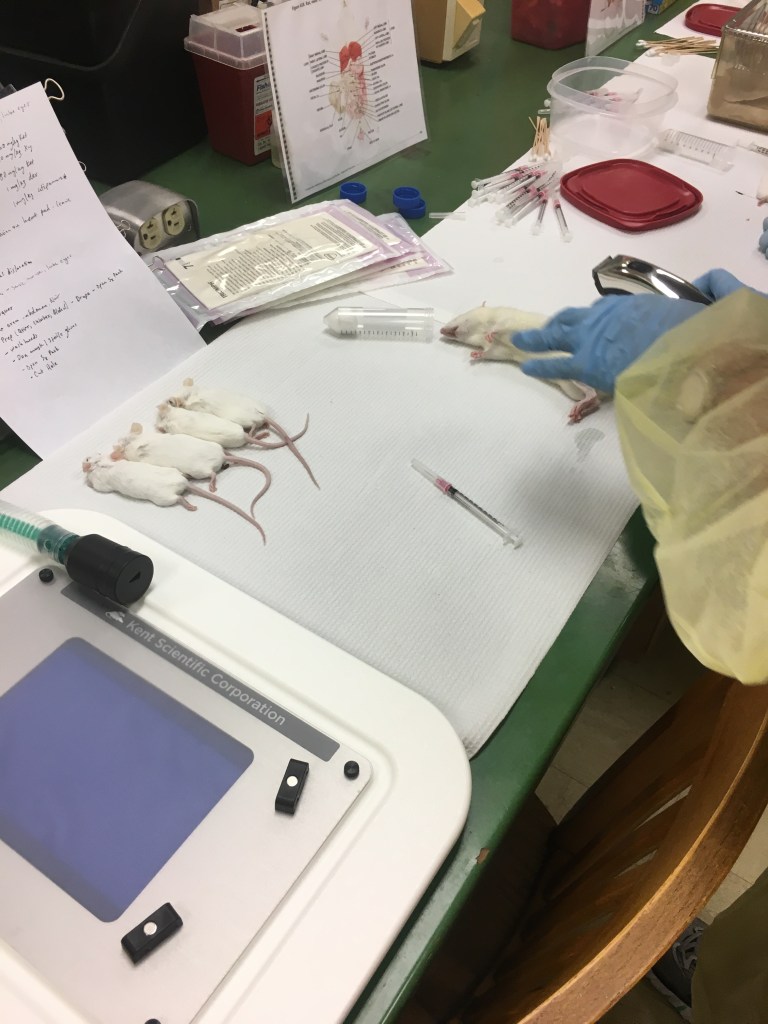
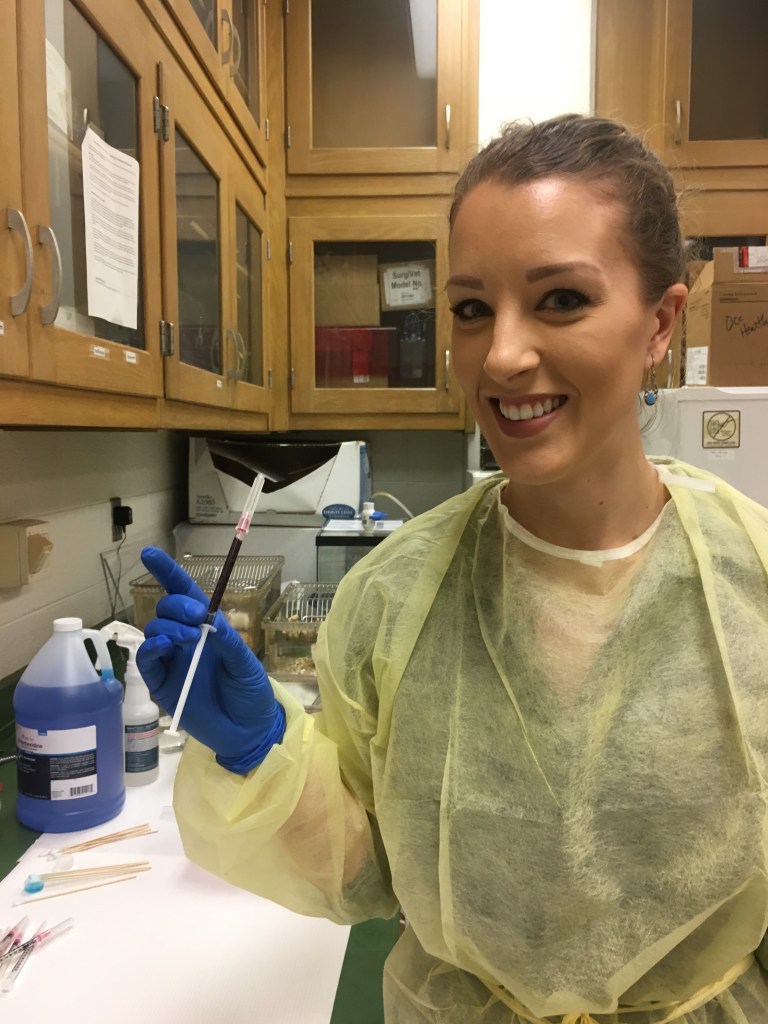
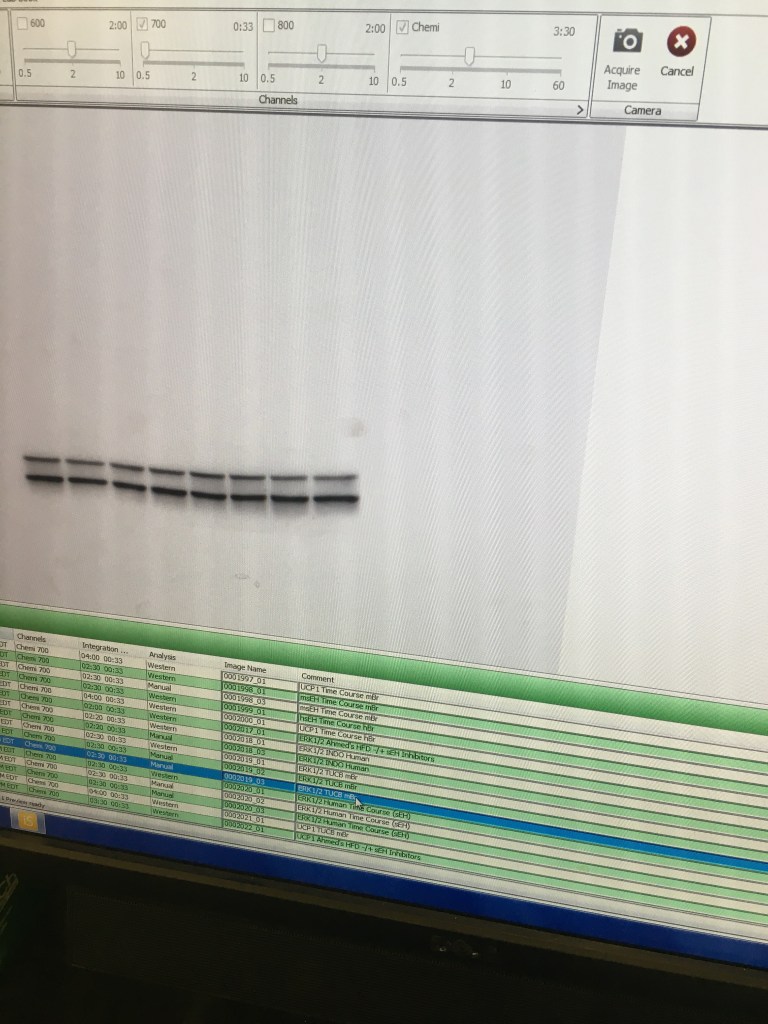
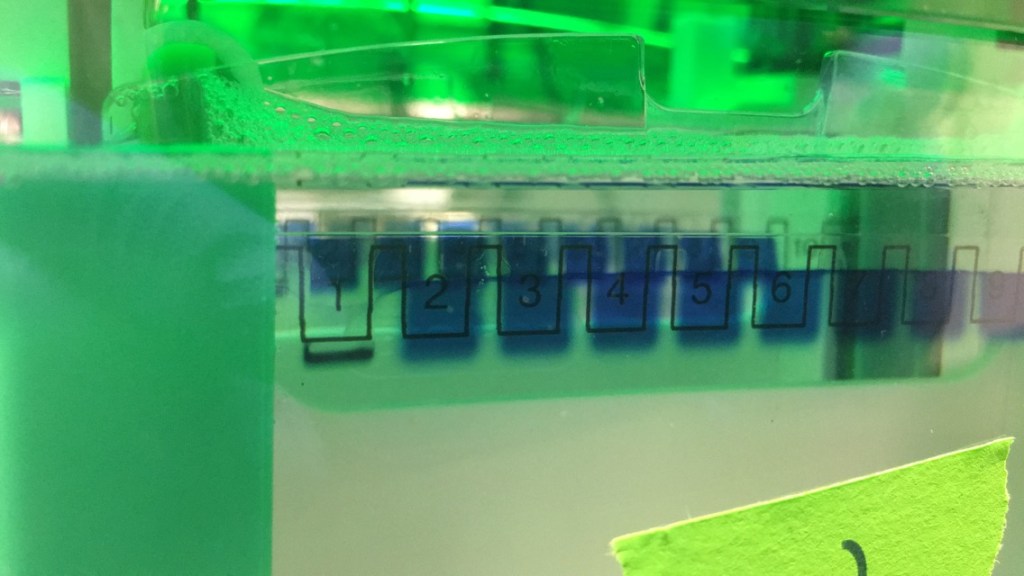
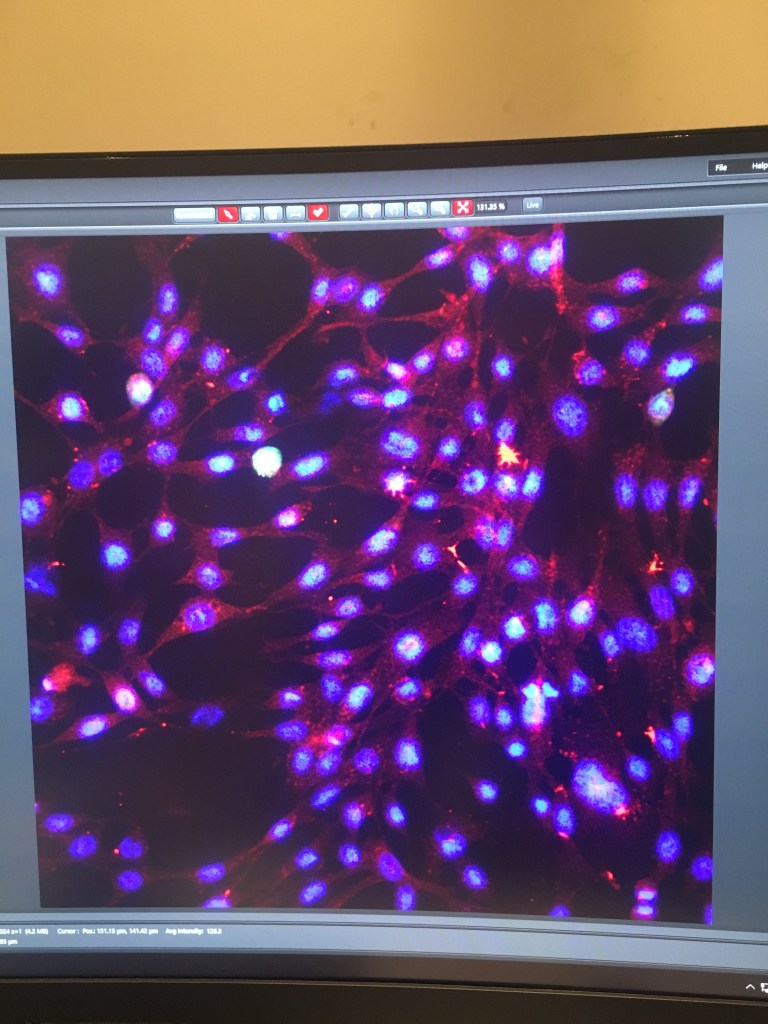
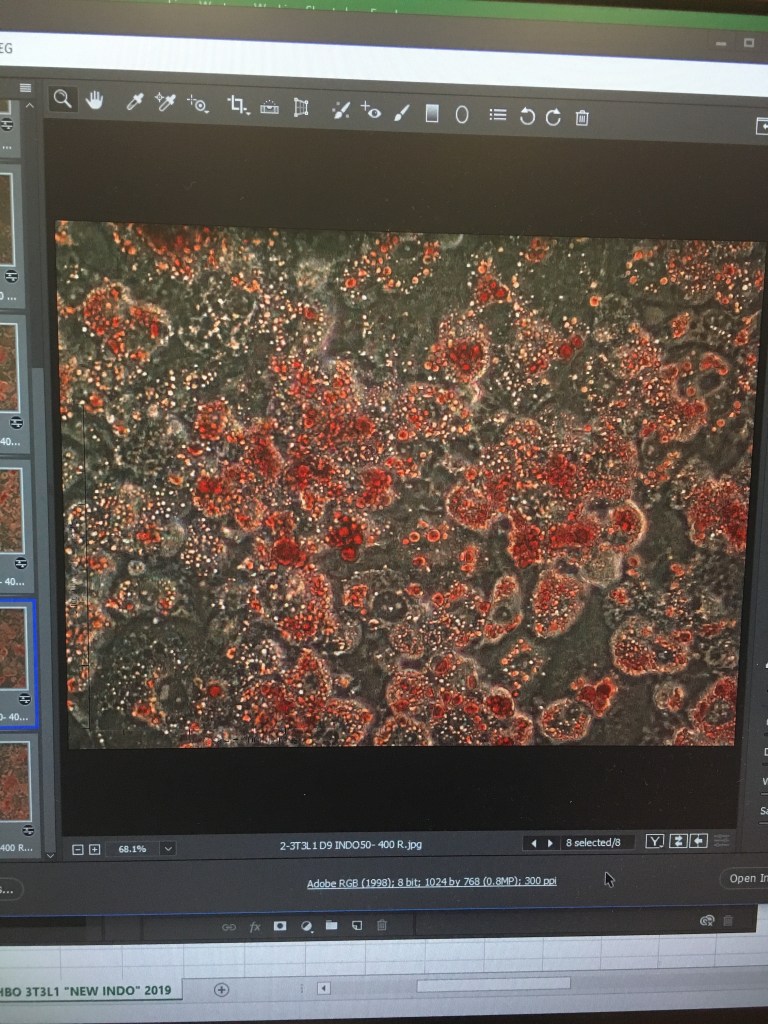
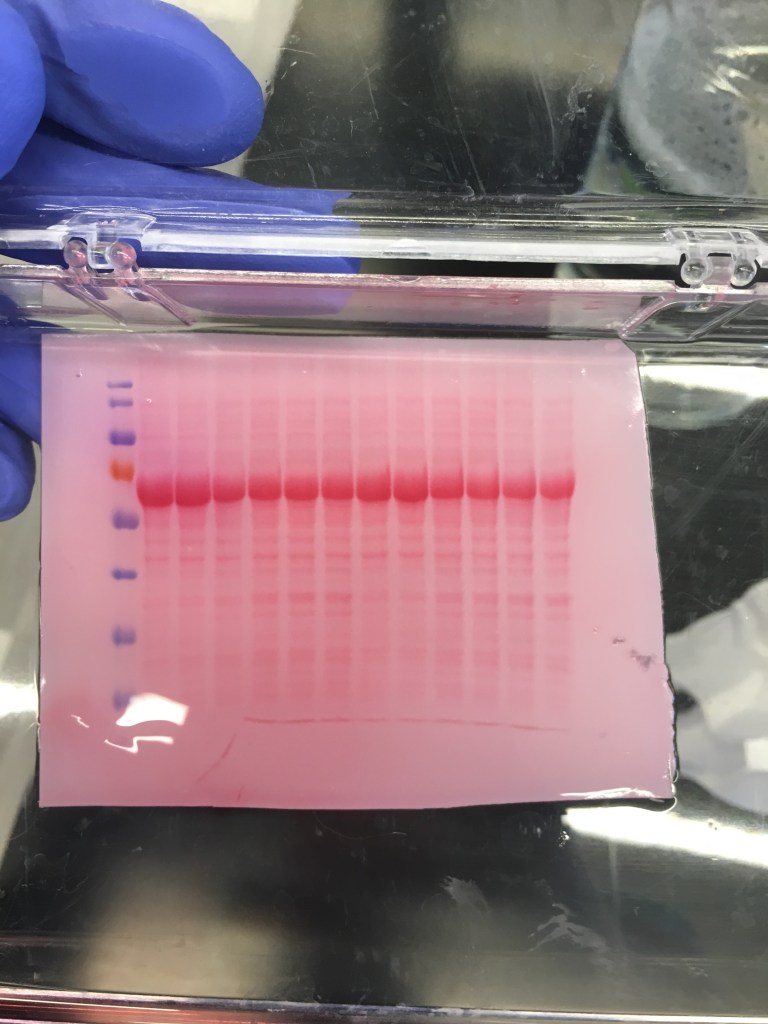
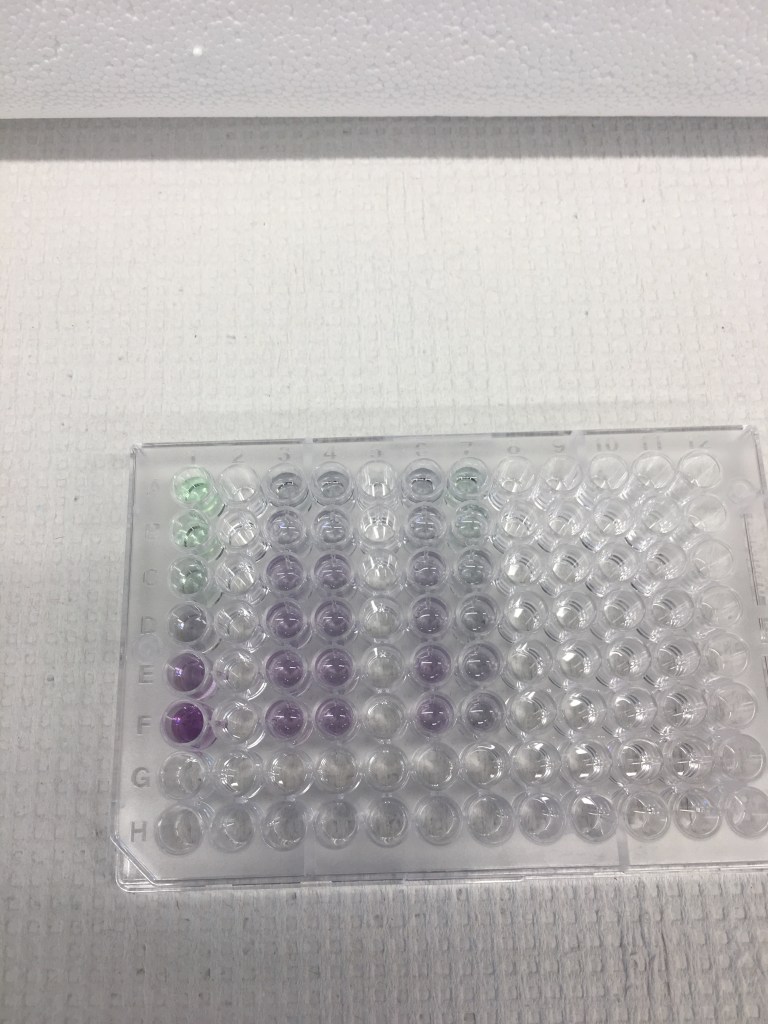
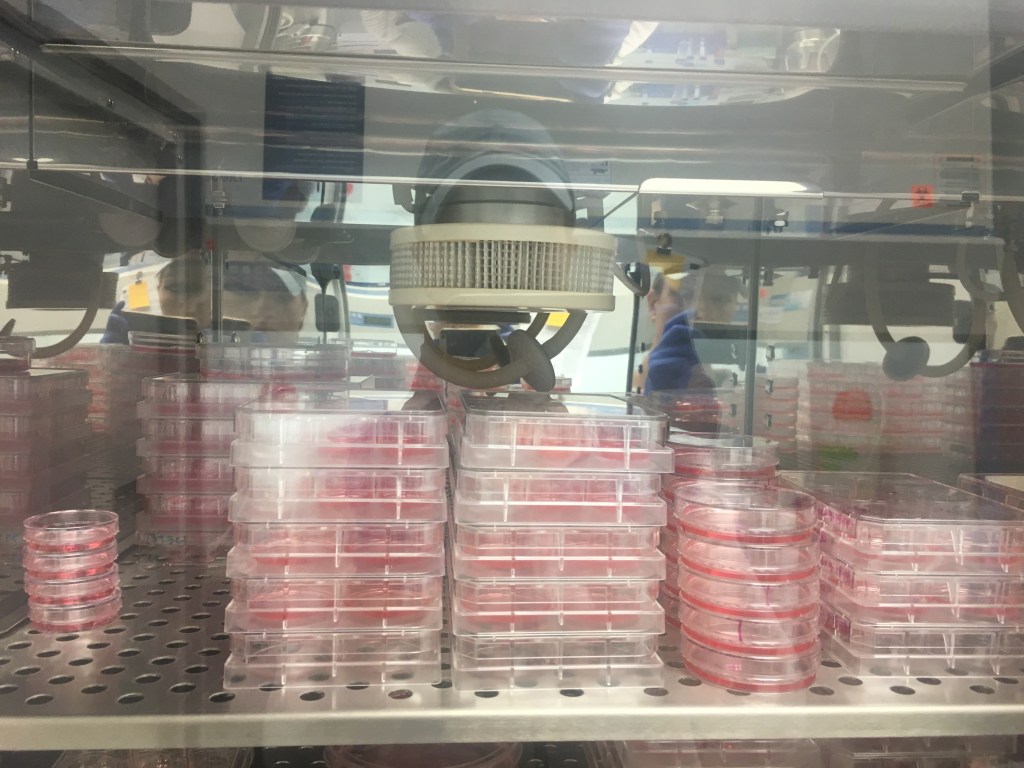
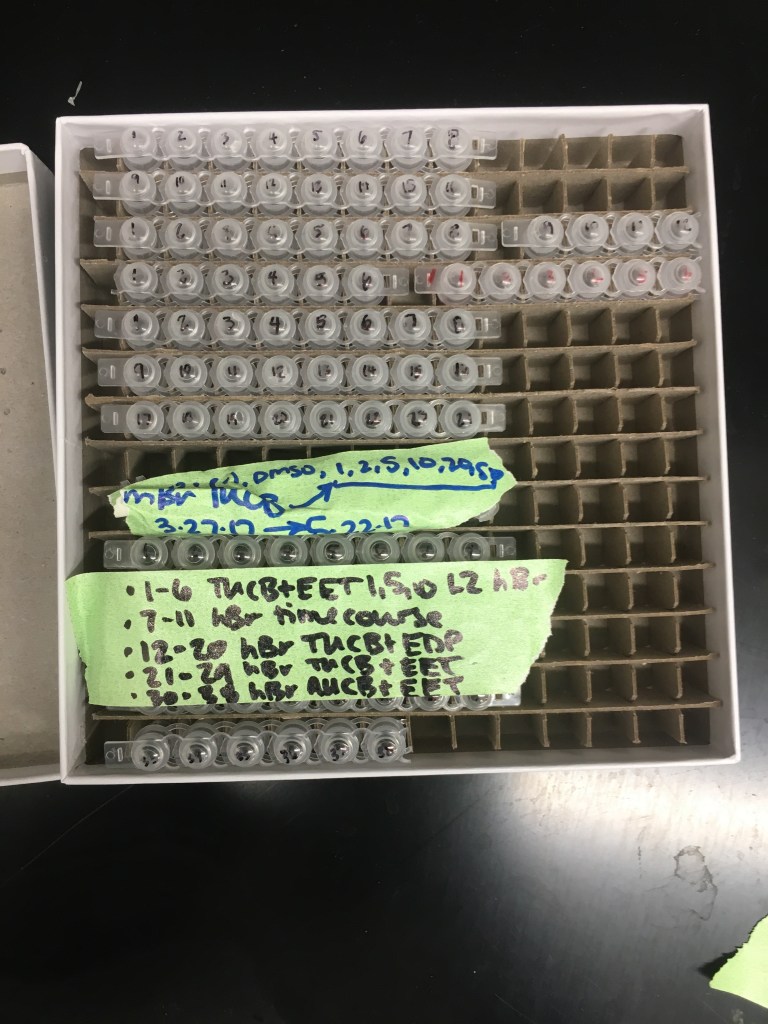
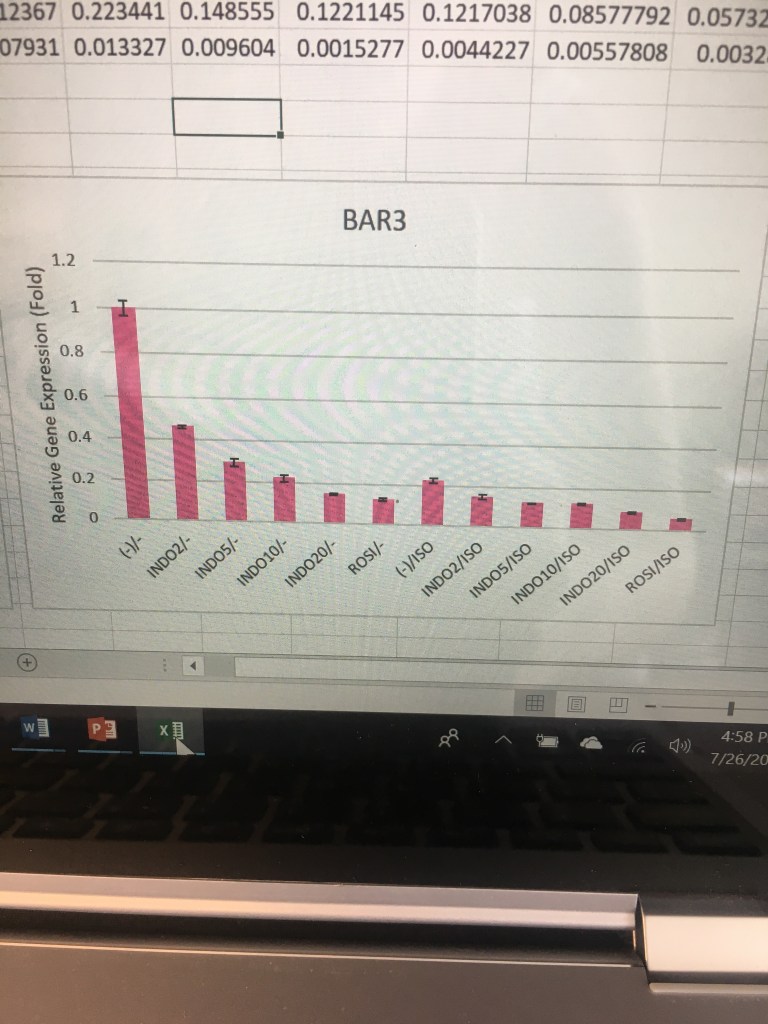
Various pictures of Dr. Overby performing experiments or end results of experiments.
______
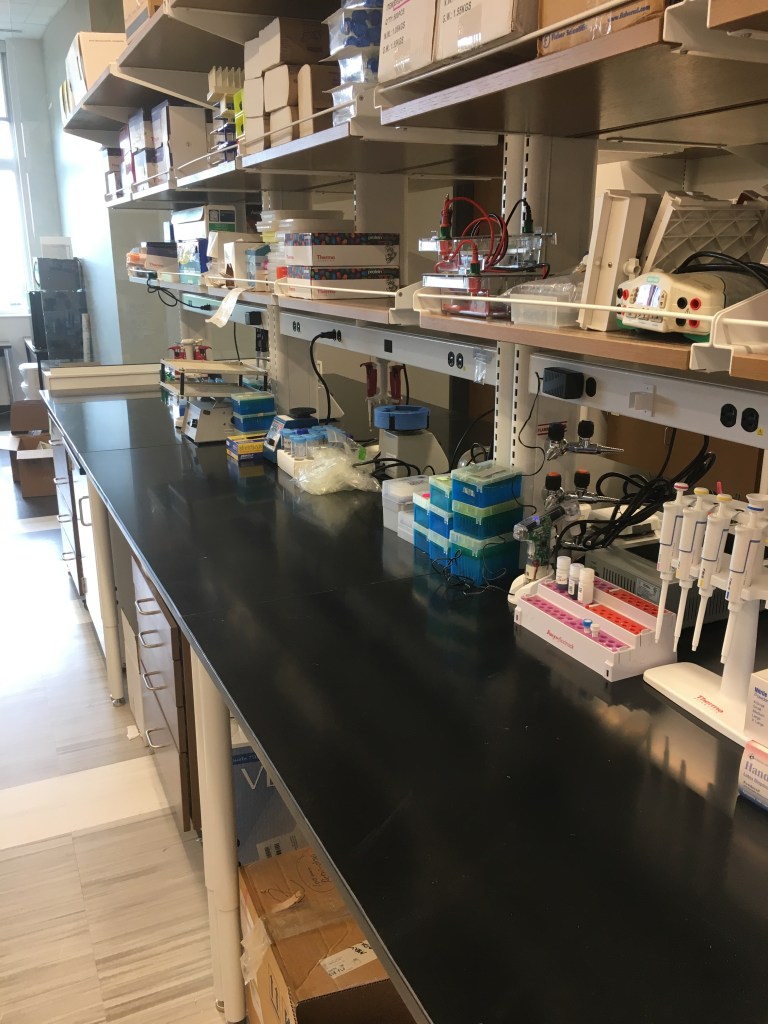
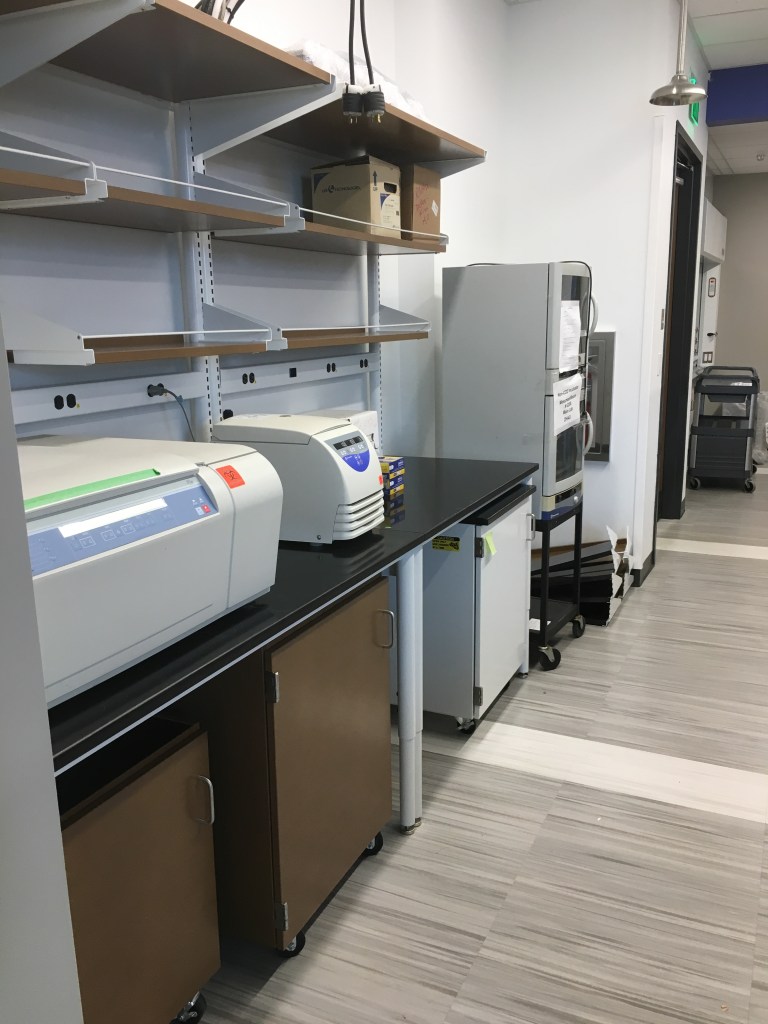
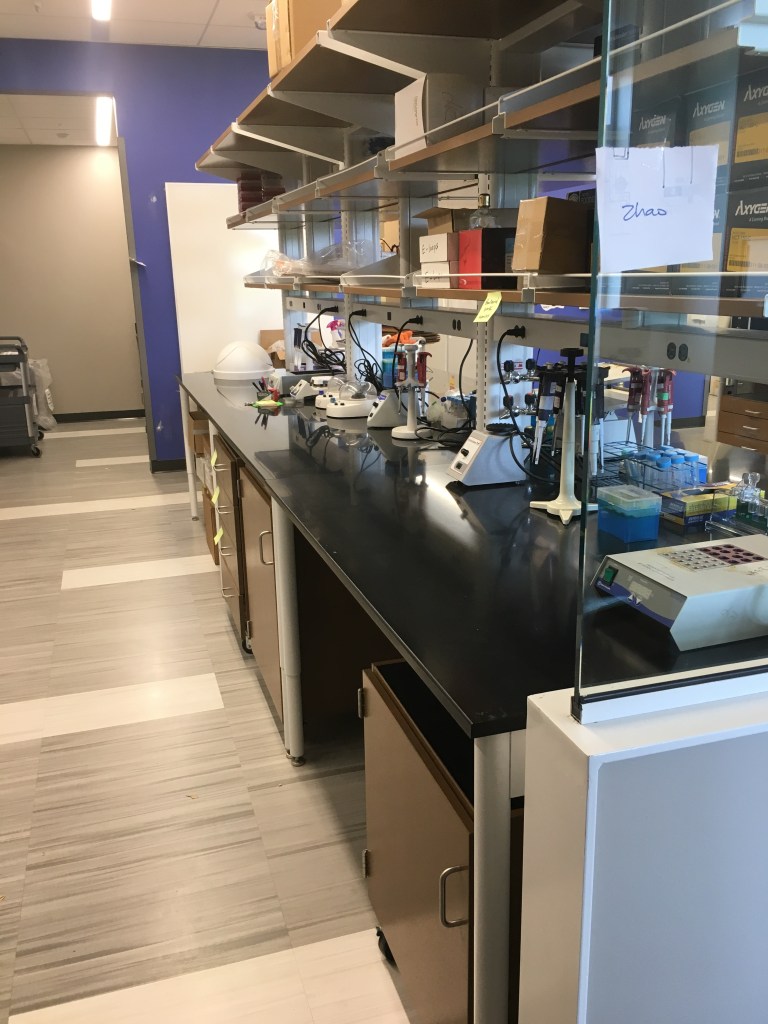
Lab Organization is very important to Dr. Overby.
 HALEY OVERBY, PHD